
I Want to Understand Catholic Teaching on Cremation
The Catholic Church permits cremation, provided it is not chosen as a rejection of Christian teaching concerning the Resurrection of the body.
While cremation is allowed, the Church continues to express a preference for burial or entombment of the body because it more fully reflects Christ's own burial and expresses our reverence for the human body, which has been marked by the sacraments and is destined for resurrection.
Whether a family chooses traditional burial or cremation, the Church's funeral rites remain an important opportunity to pray for the deceased, commend them to God's mercy, and find comfort in the hope of eternal life.
The Church's Preferred Order
Whenever possible, the Church encourages the following order:

1. Vigil

2. Funeral Mass

3. Cremation
4. Committal
This allows the body to be present during the funeral rites before cremation takes place. If circumstances require cremation beforehand, the Funeral Mass may still be celebrated with the cremated remains present.
Caring for Cremated Remains
After cremation, the remains should be:
Buried in a cemetery
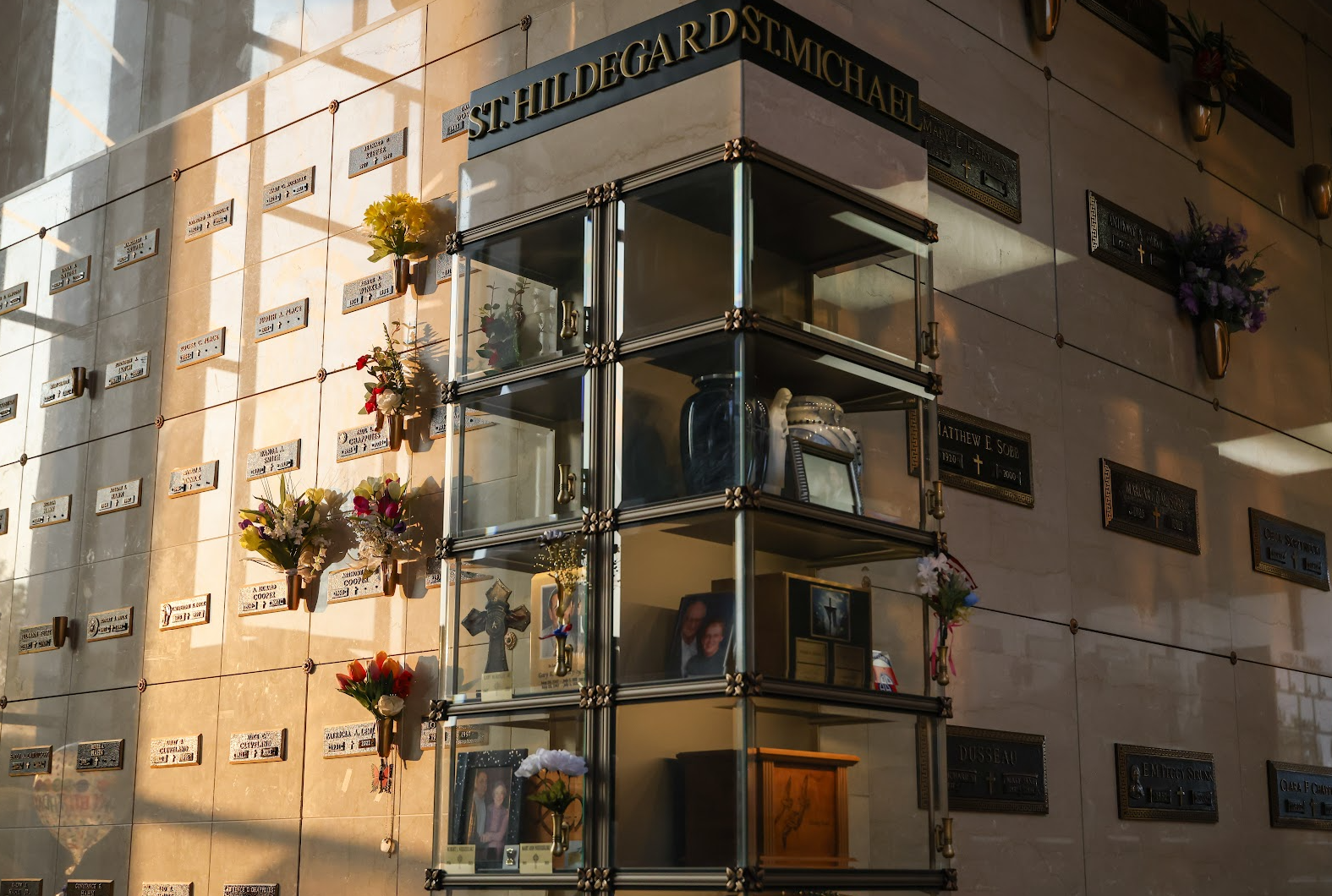
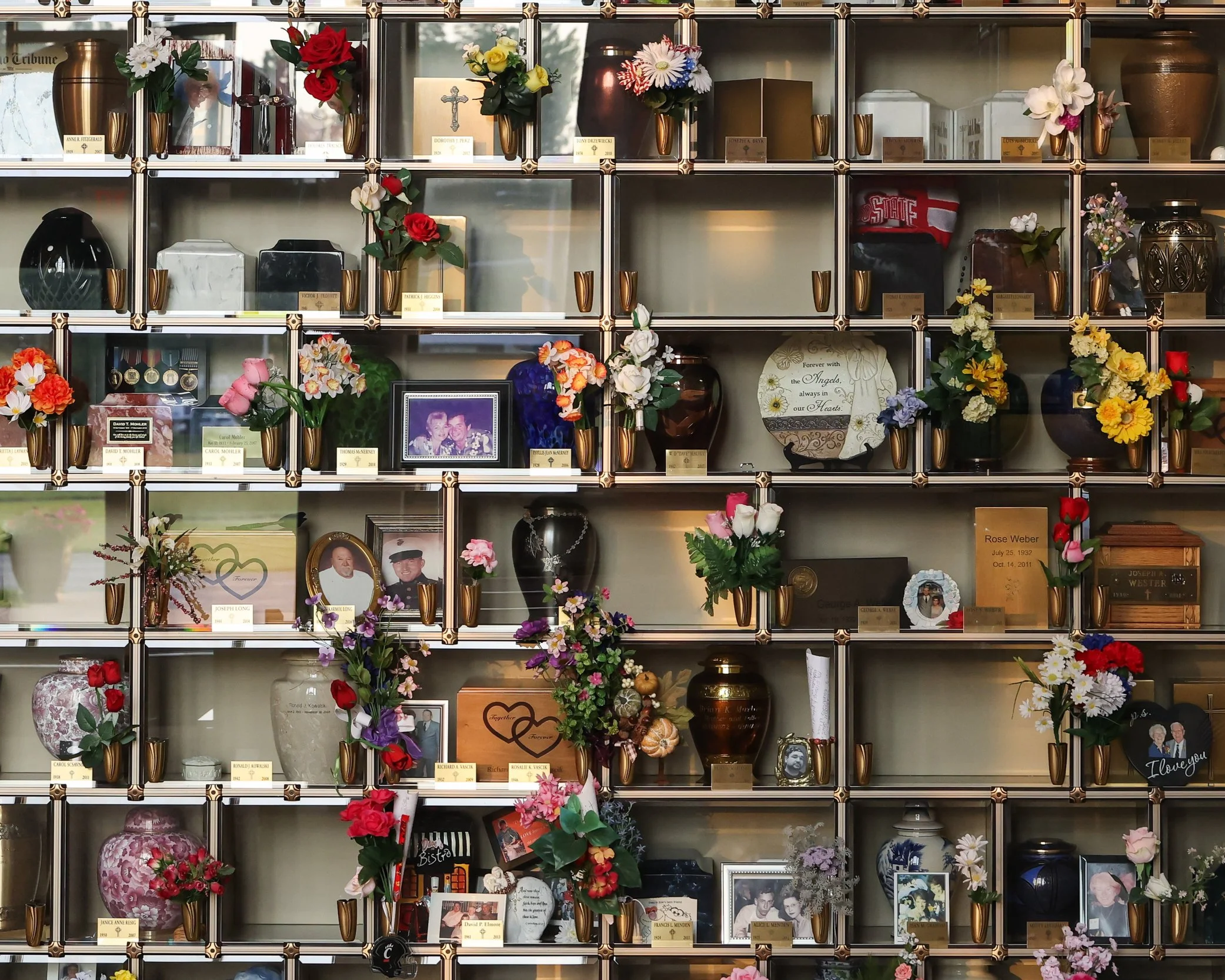
Entombed in a mausoleum or columbarium
Permanently interred in one sacred place
Placed in consecrated ground whenever possible
The Church does not permit:
Scattering ashes
Dividing ashes among family members
Keeping ashes permanently in a private residence
Preserving ashes in jewelry, artwork, or other keepsakes
These practices reflect our belief that the human body remains worthy of honor even after death and that the faithful await the resurrection of the body.
Cremation Frequently Asked Questions
-
Yes. The Catholic Church permits cremation, provided it is not chosen as a rejection of Christian teaching on the Resurrection of the body.
-
While cremation is permitted, the Church continues to express a preference for burial or entombment of the body because it more fully reflects Christ's own burial and our belief in the Resurrection.
-
Whenever possible, the Church encourages cremation to take place after the Funeral Mass so that the body may be present during the Vigil and Funeral Liturgy. If circumstances require cremation beforehand, the Funeral Mass may still be celebrated with the cremated remains present.
-
Yes. Although the Church prefers that the body be present for the funeral rites, the Funeral Mass may be celebrated with the cremated remains present when cremation has already taken place.
-
The Church teaches that cremated remains should be buried or entombed in a cemetery or mausoleum, preferably in consecrated ground, using the Rite of Committal.
-
No. The Church teaches that cremated remains should not be scattered in the air, on land, at sea, or in any other place. Instead, they should be reverently buried or entombed.
-
The Church teaches that cremated remains should be permanently interred in a sacred place rather than kept in a private residence.
-
No. Cremated remains should remain together and be buried or entombed in one sacred place. They should not be divided among family members or preserved in jewelry or keepsakes.
-
The Church teaches that the human body is sacred. Even after cremation, the remains deserve the same dignity and reverence shown to the body because they belong to a person created in the image and likeness of God and destined for resurrection.
-
It is never too late to provide a loved one with a reverent Christian burial. The Catholic Cemeteries of the Diocese of Toledo can help families arrange for the permanent interment of cremated remains in consecrated ground through burial, entombment, or the All Souls Remembrance Program, which offers free interment for qualifying cremated remains.
Additional Resources
For those who wish to explore the Church's teachings in greater depth, the following resources provide additional guidance:
United States Conference of Catholic Bishops – Bereavement and Funerals
United States Conference of Catholic Bishops – Cremation and the Order of Christian Funerals
For readers interested in the Church's official doctrinal instruction regarding cremation and the care of cremated remains, the Vatican's instruction Ad resurgendum cum Christo is also available.